When most people think of Miami, visions of sun-kissed beaches, vibrant nightlife, and colorful Art Deco architecture often come to mind. But beyond the glittering coastline lies a different Miami—one that beckons nature enthusiasts to explore its lush landscapes, thriving wildlife, and unique ecosystems. From the tranquil waterways of the Everglades to the tangled mangrove forests hugging the coast, Miami offers a diverse natural playground for travelers seeking adventure and serenity alike.
Discovering the Everglades: A Unique Ecosystem
A trip to Miami for nature lovers is incomplete without visiting the Everglades National Park, one of the largest subtropical wildernesses in the United States. Spanning over 1.5 million acres, this UNESCO World Heritage Site is home to an extraordinary variety of wildlife, including alligators, manatees, and hundreds of bird species.
The park’s expansive wetlands, sawgrass marshes, and cypress forests provide a rare opportunity to witness ecosystems that exist nowhere else on earth. Nature enthusiasts can explore the Everglades in multiple ways, from guided airboat tours to kayaking through the serene mangrove-lined waterways. Airboat tours offer a thrilling perspective of the park, skimming across shallow waters and giving visitors a close-up view of alligators basking in the sun. Meanwhile, kayaking allows for a slower, more intimate experience, giving paddlers the chance to spot wading birds, turtles, and the occasional manatee navigating the waterways.
For those seeking a longer immersion, consider hiking one of the park’s many trails, such as the Anhinga Trail or Gumbo Limbo Trail, where interpretive signage helps visitors understand the delicate balance of this rich ecosystem. Early mornings are ideal for wildlife sightings, as animals are most active before the heat of the day sets in.
The Hidden Mangroves: Nature’s Coastal Guardians
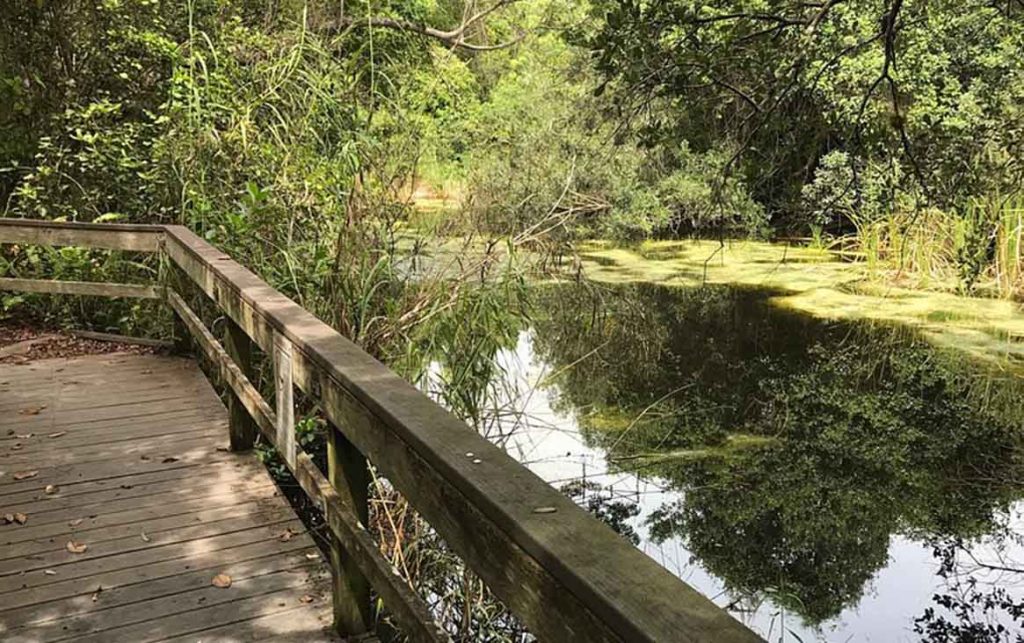
Another gem for nature lovers is Miami’s network of mangrove forests, which line much of the city’s waterways and coastal areas. Mangroves are remarkable for their intricate root systems, which stabilize the shoreline, filter water, and provide a crucial habitat for countless marine species. These coastal forests are particularly captivating at sunrise and sunset when the sunlight casts golden reflections across the calm waters.
Exploring the mangroves can be done by kayak, paddleboard, or guided eco-tour. Paddling through narrow channels reveals an intricate maze of roots, cypress knees, and tidal pools teeming with life. Birdwatchers will be delighted by sightings of herons, egrets, and ospreys, while keen-eyed adventurers may spot juvenile fish and crustaceans hiding among the roots. Some guided tours even offer night excursions, showcasing the mangroves’ nocturnal residents and the haunting beauty of moonlit waterways.
One particularly popular area is Oleta River State Park, just a short drive from downtown Miami. Here, visitors can enjoy both mangrove exploration and inland trails, making it a versatile destination for outdoor enthusiasts. Rentals for kayaks and paddleboards are readily available, allowing even beginners to venture into this serene natural haven.
Biscayne National Park: Underwater Wonders
While most people associate national parks with forests and hiking trails, Biscayne National Park is a prime example of Miami’s unique marine ecosystems. Over 95% of the park is underwater, preserving coral reefs, seagrass beds, and mangrove islands. It’s a paradise for snorkelers, divers, and wildlife observers alike.
Visitors can embark on guided snorkeling trips to explore vibrant coral gardens, spotting colorful fish, rays, and even sea turtles. For those less inclined to swim, boat tours provide breathtaking views of the park’s islands and underwater life from the surface. Nature lovers can also explore the small mangrove keys on foot, observing shorebirds and the fascinating interactions between land and sea.
One advantage of visiting Biscayne National Park is its proximity to Miami, making it easily accessible for day trips without compromising on natural immersion. The park emphasizes conservation, so travelers can enjoy its beauty while learning about the critical efforts to protect these fragile ecosystems.
Birdwatching and Wildlife Photography
Miami’s natural areas are a haven for birdwatchers and wildlife photographers. The combination of subtropical wetlands, coastal mangroves, and open waters attracts a dazzling array of species, some of which are unique to the region.
Popular birding spots include Everglades National Park, Matheson Hammock Park, and Crandon Park, where birdwatchers can see wading birds, raptors, and migratory species. Early morning visits are ideal, as wildlife is most active and the lighting is perfect for photography. Binoculars and a telephoto lens are recommended, but even casual observers will be rewarded with glimpses of herons gliding over waterways or egrets stalking prey in the shallows.
For those keen on capturing Miami’s wildlife in motion, guided photography tours are available. These tours often focus on the Everglades and mangrove ecosystems, providing expert tips on framing shots, understanding animal behavior, and navigating the sometimes tricky terrain.
Eco-Friendly Travel Tips
Nature lovers visiting Miami should also consider eco-friendly practices to minimize their impact on these sensitive ecosystems. Some practical tips include:
- Use reef-safe sunscreen to protect coral reefs and marine life in Biscayne National Park.
- Follow marked trails and boardwalks in the Everglades to avoid disturbing vegetation and wildlife.
- Respect wildlife by keeping a safe distance and never feeding animals.
- Opt for guided eco-tours with certified operators who prioritize conservation and sustainability.
- Carry reusable water bottles and snacks to reduce waste in natural areas.
Being mindful of these practices ensures that Miami’s stunning natural landscapes remain preserved for future generations of adventurers.
Seasonal Observations
During the months when temperatures are mild, wildlife activity is particularly visible. Migratory birds make stops in the region, and manatees often congregate in warmer waters, providing memorable wildlife encounters. Water levels in the Everglades can also affect accessibility, so it’s helpful to check local conditions before planning kayak or hiking trips.
The cooler climate also makes outdoor activities more comfortable, allowing for longer hikes, paddling excursions, and photography sessions without the intense heat that summer months bring.
Planning Your Nature-Focused Miami Trip
When organizing a nature-centric Miami trip, it’s useful to consider the following:
- Accommodation: Staying near natural areas such as Coconut Grove, Key Biscayne, or near the Everglades provides easy access to parks and waterways. Eco-lodges and boutique hotels often offer a quieter, more sustainable experience.
- Transportation: Renting a car or using guided tours is essential for reaching national parks, mangrove trails, and more remote nature reserves.
- Timing: Plan early morning or late afternoon excursions for optimal wildlife sightings and pleasant temperatures.
- Guided Tours: Local guides provide valuable insights into ecosystems, wildlife behavior, and the best routes for kayaking, hiking, or snorkeling.
Hidden Gems: Beyond the Well-Known Parks
While the Everglades, Biscayne, and Oleta River are must-visit spots, Miami has several lesser-known natural areas worth exploring:
- Matheson Hammock Park: Famous for its calm lagoon and boardwalk trails, this park is ideal for birdwatching and serene kayaking.
- Crandon Park: Combines coastal mangroves with tropical gardens and beach access, perfect for a full day of exploration.
- Virginia Key Beach and Nature Center: Offers mangrove trails, wildlife observation points, and kayaking rentals.
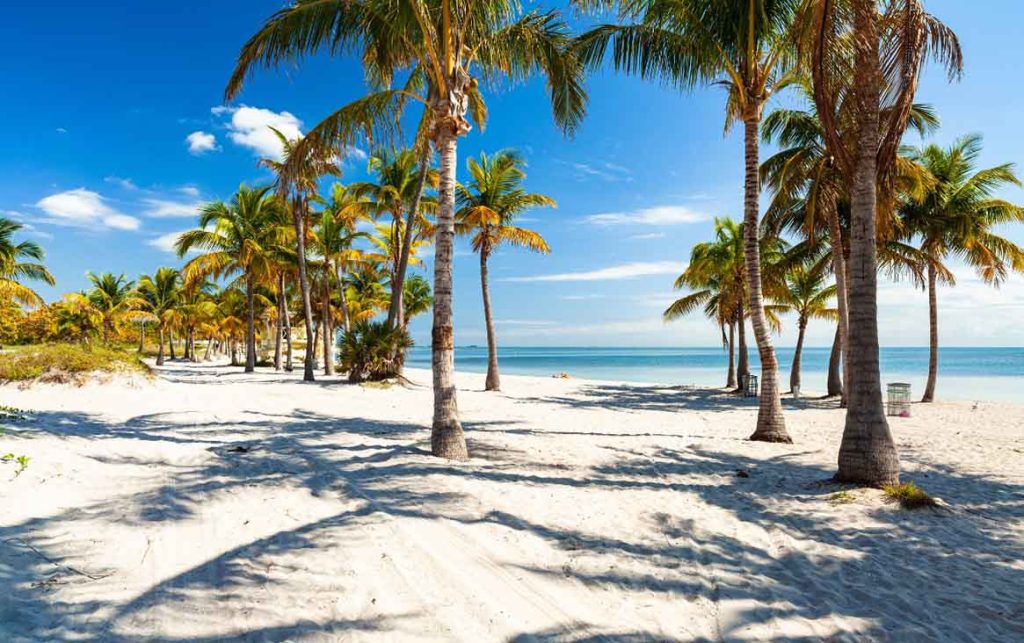
Exploring these hidden gems allows travelers to experience Miami’s natural beauty without the crowds, offering a more personal connection with the environment.
Connecting with Local Conservation Efforts
For travelers passionate about nature, Miami offers opportunities to engage with conservation initiatives. Many parks and environmental organizations welcome volunteers, offer educational programs, or provide citizen science activities such as bird counts and water quality monitoring. Participating in these programs not only enhances your understanding of local ecosystems but also contributes to their preservation.
A Different Side of Miami
Miami’s natural landscapes are a revelation for travelers who may only know the city for its sun-soaked beaches, bustling nightlife, and glamorous Art Deco streets. Beyond the glittering coastline lies a rich tapestry of ecosystems waiting to be discovered. From the expansive wetlands of the Everglades, where sawgrass stretches as far as the eye can see, to the mysterious labyrinths of mangrove forests, whose twisted roots rise from shimmering waters, and the vibrant underwater world of Biscayne National Park, teeming with colorful fish, corals, and elusive manatees, there’s an abundance of natural beauty to explore.
For birdwatchers, Miami offers rare glimpses of herons, egrets, and migratory species gracefully moving across the sky, while wildlife photographers can capture intimate moments of turtles sunbathing, alligators gliding silently through the water, or the gentle emergence of manatees in the early morning. Hikers can wander along shaded trails through hardwood hammocks or boardwalks that wind along calm lagoons, while kayakers and paddleboarders can navigate serene waterways framed by mangrove roots, feeling fully immersed in nature’s quiet rhythm.
Whether you’re seeking a tranquil paddle through mangrove-lined channels, an up-close encounter with the Everglades’ iconic reptiles, or a snorkeling adventure among Biscayne’s coral reefs, Miami delivers experiences that resonate long after the trip ends. By embracing sustainable travel practices, venturing beyond crowded tourist areas, and taking the time to observe the subtle beauty of each ecosystem, visitors can discover a Miami that is unexpectedly rich in biodiversity, tranquility, and wonder. It is a side of the city that few expect, yet those who explore it are often rewarded with lasting memories and a deep appreciation for the natural world that thrives alongside the urban vibrancy.