When travelers think of Miami, food often takes center stage. From fresh seafood pulled directly from the Atlantic, to Cuban sandwiches, Latin American specialties, and creative fusions born in Wynwood’s colorful kitchens, the city is a culinary playground. But while indulging in local delicacies is a highlight of any trip, visitors also need to be mindful of food safety and dining best practices. Understanding how to enjoy Miami’s food scene while avoiding common pitfalls ensures your experience is memorable for the right reasons.
This comprehensive guide offers everything you need to know about eating safely in Miami, navigating restaurants and street food, staying healthy, and making smart dining choices that elevate your journey.
1. Understanding Miami’s Food Culture
Miami’s food culture is a vibrant blend of influences from Cuba, the Caribbean, Central and South America, and North America. You’ll find everything from high-end Michelin-starred restaurants to food trucks parked by the beach.
- Cuban Cuisine: Classics like ropa vieja, picadillo, and Cuban coffee dominate Little Havana.
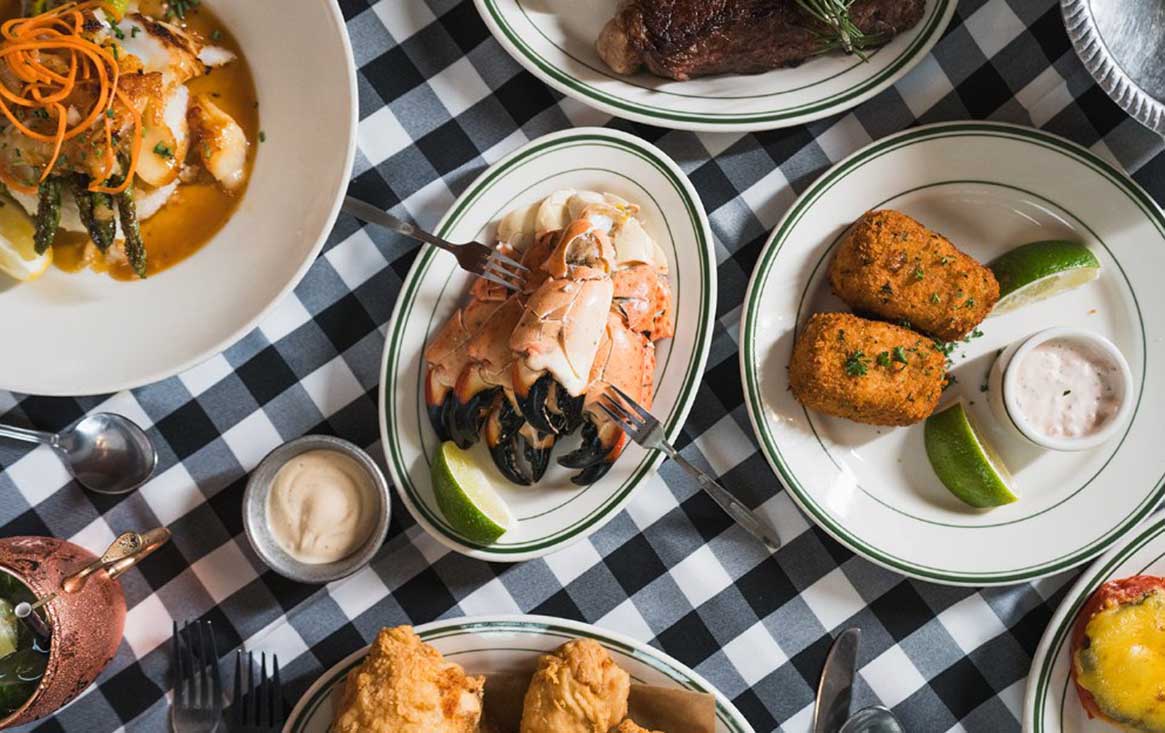
- Seafood Specialties: Fresh snapper, stone crabs, and mahi-mahi are staples, often served grilled or fried.
- Latin American Fusion: Peruvian ceviche, Colombian arepas, and Argentine steak bring global flavors to the table.
- Street Eats: Empanadas, tacos, and churros are commonly found at markets and festivals.

With so much variety, food is often the highlight of a Miami visit. But the city’s warm climate, bustling crowds, and diverse dining styles also make it important to pay attention to food safety.
2. Food Safety Basics Every Traveler Should Know
Before diving into the dining scene, it’s useful to remember a few key rules:
- Check Hygiene Ratings: Restaurants in Miami are regularly inspected, and ratings are often displayed. Look for places with high cleanliness scores.
- Observe Food Handling: Whether it’s a sit-down restaurant or a street vendor, watch how food is stored and served. Fresh ingredients should be kept at safe temperatures.
- Avoid Lukewarm Food: Hot foods should be steaming hot, and cold foods should be chilled. Anything left sitting out may be risky.
- Hydrate Safely: Tap water in Miami is generally safe to drink, but many travelers prefer bottled or filtered water for peace of mind.
These basics reduce the risk of foodborne illness, which can spoil even the best-planned trip.
3. Dining in Restaurants
Miami is famous for its restaurants, ranging from glamorous South Beach eateries to hidden local gems. When choosing where to dine:
What to Look For
- Crowds of Locals: If a restaurant is busy with locals, it’s a good sign the food is both safe and authentic.
- Cleanliness: Pay attention to the state of the tables, restrooms, and how staff handle food.
- Menu Transparency: Good restaurants clearly label dishes with allergens and origins of ingredients.
Ordering Tips
- Ask Questions: Don’t hesitate to ask servers about how seafood is sourced or how dishes are prepared.
- Choose Cooked Seafood if Unsure: While ceviche and raw oysters are popular, opt for grilled or fried versions if you’re cautious.
- Control Portions: Miami restaurants often serve large portions. Sharing dishes helps avoid overeating and food waste.
Special Considerations
Vegetarians and vegans will find plenty of options in Miami, particularly in Wynwood and Coconut Grove. Always check whether dishes are truly plant-based, as some Latin dishes may include hidden animal fats or broths.
4. Street Food and Food Trucks
Street food is one of Miami’s delights, offering flavors that capture the city’s multicultural heart. Food trucks, especially at events and near Wynwood Walls, are popular.
Safety Guidelines
- Pick Busy Vendors: High turnover means fresher food.
- Watch the Preparation: Food should be cooked in front of you, not reheated from hours earlier.
- Be Cautious with Dairy and Seafood: These can spoil quickly in warm weather if not handled properly.
- Carry Hand Sanitizer: Not every stall will have facilities for washing hands.
Street food can be safe and delicious, provided you choose vendors wisely.
5. Seafood Safety in Miami
Miami’s proximity to the ocean means seafood is everywhere, but it also requires extra caution.
- Freshness Check: Fish should smell clean, not overly fishy. Shellfish like shrimp or crab should be firm and bright in color.
- Avoid Dubious Raw Dishes: Raw oysters, clams, or sushi from unknown vendors may carry higher risk. Choose reputable restaurants if you want to indulge.
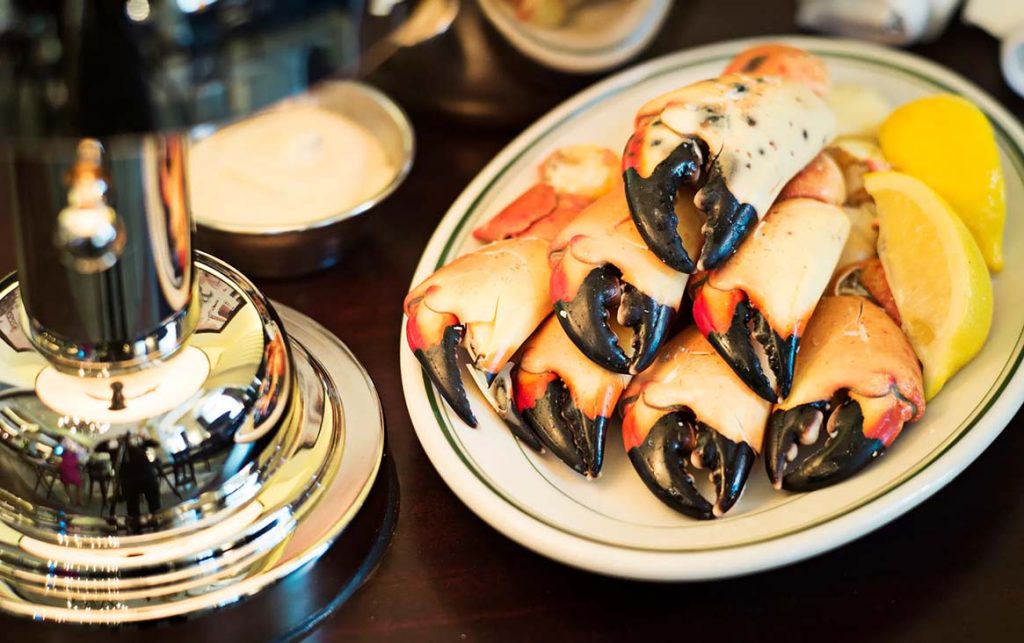
- Stone Crab Season: Stone crabs are a Miami delicacy, often served chilled with mustard sauce. Enjoy them at well-known establishments to ensure freshness.
- Allergies: Cross-contamination is common in seafood-heavy kitchens. If you’re allergic, communicate clearly with staff.
6. Staying Healthy While Indulging
Traveling often means breaking routines and indulging more than usual. Miami’s food can be rich, fried, or sweet, so balance is key.
- Stay Hydrated: Heat and humidity can dehydrate quickly, especially with salty or fried foods.
- Balance Meals: Alternate heavy meals with lighter ones like fresh salads or fruit bowls.
- Limit Alcohol: Miami nightlife often includes cocktails, but overindulging combined with sun exposure can cause fatigue or dehydration.
- Pack Digestive Aids: Simple remedies like probiotics or charcoal tablets can ease minor stomach issues.
7. Special Dietary Needs
Miami is well-equipped for travelers with dietary restrictions, but being prepared helps.
- Gluten-Free Options: Many restaurants highlight gluten-free dishes, especially in health-focused neighborhoods.
- Halal and Kosher: Certain areas, like North Miami Beach, have restaurants catering to these diets.
- Vegetarian and Vegan: Vegan food festivals and plant-based cafés are increasingly popular.
Always inform your server clearly to avoid cross-contamination.
8. Food Shopping and Markets
If you prefer to cook or snack independently, Miami’s markets are a wonderful way to explore local flavors.
- Farmers Markets: Coconut Grove and Lincoln Road markets feature fresh produce, artisanal goods, and safe snacks.
- Supermarkets: Publix and Whole Foods provide reliable options with labeled products.
- Local Treats: Try tropical fruits like mango, guava, and passionfruit — but always wash them before eating.
9. Cultural Dining Etiquette
Beyond safety, understanding Miami’s dining culture enhances your experience.
- Tipping: Standard is 15–20%. Some restaurants add gratuity automatically, especially in tourist-heavy areas.
- Timing: Lunch tends to be casual, while dinner can be a late and lively affair.
- Dress Codes: Upscale restaurants may require smart-casual attire, especially in South Beach.
10. Practical Travel Tips for Eating in Miami
Here are practical takeaways for safe and enjoyable dining:
- Carry bottled water or refillable bottles with filters.
- Use sunscreen and hydrate when dining outdoors.
- Keep snacks like granola bars or packaged nuts for long outings.
- Download apps for food safety ratings and reviews.
- Wash hands before meals, especially after public transport or sightseeing.
Miami is a food lover’s paradise, offering a kaleidoscope of flavors shaped by its diverse communities. The joy of dining here comes not just from what’s on the plate, but also from the lively atmosphere, cultural richness, and unforgettable settings — from beachside cafés to lively street markets. Each bite tells a story of migration, creativity, and tradition. A Cuban sandwich enjoyed in Little Havana is more than just pressed bread and pork; it is a taste of heritage and resilience. A bowl of Peruvian ceviche carries with it the ocean’s freshness and the culinary artistry of a culture that has thrived in Miami’s melting pot. Even something as simple as fresh fruit from a farmer’s market embodies the city’s tropical energy and vitality.
Yet, with such abundance comes the responsibility to dine wisely. By keeping food safety in mind, travelers protect not only their health but also their ability to enjoy everything Miami has to offer. Choosing trusted restaurants and vendors ensures that seafood is fresh, meats are properly cooked, and produce is clean. Paying attention to details such as hygiene, storage, and preparation methods can make all the difference between a carefree evening and a disrupted itinerary. Miami’s warm climate is part of its charm, but it also means food can spoil quickly if not handled properly — a reason why selecting reputable eateries matters.
Balancing indulgence with healthy habits is another key to enjoying the culinary journey. It is tempting to dive headfirst into fried seafood platters, decadent desserts, and colorful cocktails at every turn, and certainly part of the Miami experience is treating yourself. Still, alternating those rich meals with lighter options like tropical fruit bowls, fresh salads, or grilled fish allows your body to keep up with the energy of travel. Staying hydrated, limiting excessive alcohol, and carrying light snacks for busy days also help maintain balance.
Dining in Miami is about more than satisfying hunger; it is about savoring the moment. The city’s food scene is a living narrative, weaving together influences from Cuba, the Caribbean, South America, and beyond. Every restaurant, food truck, and market stall reflects the cultural mosaic that makes Miami unique. By approaching food with both curiosity and mindfulness, visitors not only protect their well-being but also open themselves to deeper connections with the city’s people and traditions. In doing so, a meal in Miami becomes more than a plate of food — it becomes a memory, a cultural bridge, and a vibrant chapter in the traveler’s story.